
If you manage or own a historic building, you might wonder whether emergency lighting rules apply to you and whether installing it will damage the character of your property. The short answer is: yes, you must comply with UK fire safety law, and yes, it can be done sensitively. Here’s everything you need to know.
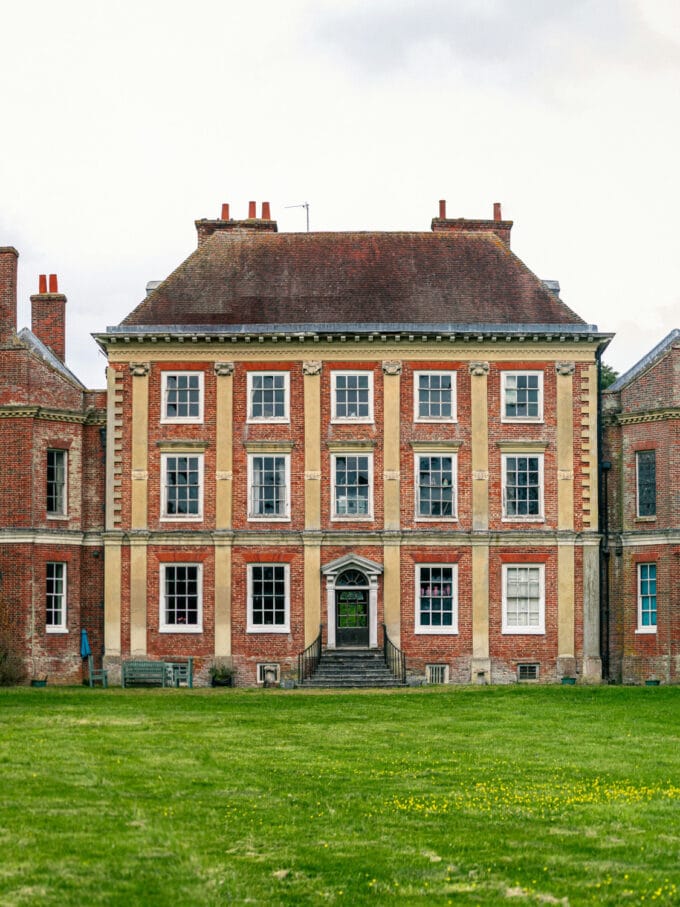
Do Historic Buildings Need Emergency Lighting?
Yes without exception.
Under the Regulatory Reform (Fire Safety) Order 2005, any building where people work, visit, or gather must have emergency lighting of adequate intensity on all escape routes whenever normal lighting fails. This applies whether your building was constructed last year or 500 years ago.
As the Regulatory Reform (Fire Safety) Order puts it, emergency lighting law is clear: “emergency routes and exits requiring illumination must be provided with emergency lighting of adequate intensity.” Historic status does not exempt a building from this duty.
The Responsible Person — typically the building owner, employer, or facilities manager — must conduct a fire risk assessment and ensure appropriate emergency lighting is installed and regularly tested. Failure to comply can result in prosecution, fines, and in serious cases, imprisonment.
What About Listed Buildings?
Listed buildings require some extra steps before any installation work begins, but this doesn’t make compliance optional, it just means you need the right permissions first.
Getting Permission Before You Start
Before installing emergency lighting in a listed building, you must obtain approval from your local authority conservation officer. For Grade I and Grade II buildings, this must also involve Historic England. For listed churches, a faculty must be obtained through the relevant diocese.
The key principle Historic England emphasises is reversibility: any installation should be carried out in a way that leaves no permanent mark on the building’s historic fabric. Historic England’s Listed Building Consent Advice Note 16 clarifies that “reversibility alone does not justify alteration, but where alteration is justified on other grounds, reversible alteration is always preferable to non-reversible”. In practice, this means:
- Fixing only into mortar joints, not into brickwork or stonework.
- Using mounting pattresses for fixing points where needed.
- Running cables discreetly, avoiding unnecessary drilling through original material.
- Choosing fittings that are sympathetic to the building’s character.
Listed building consent is free to apply for, but carrying out works without consent is a criminal offence, so always seek approval before you begin.
How Can Emergency Lighting Be Made Less Obtrusive?
This is where modern solutions really shine. We have a range of products designed for heritage environments. There is no need to resort to the standard white plastic bulkhead that would look out of place in a Georgian hall or Victorian church.
Remote Spotlights for Large Spaces
For large open spaces such as cathedrals, great halls, or ballrooms, spotlights mounted remotely from the area they illuminate can be positioned discreetly among wall decoration or above ceiling features, making them barely noticeable during normal use.
Avoid Visual Clutter with Signage
Standard green “running man” exit signs can look quite jarring in an ornate heritage interior. Historic England supports the use of building specific exit signage. Bespoke designs that are thoughtfully crafted to complement, rather than clash with, a historic aesthetic. To ensure a seamless fit for your project, we can manufacture these signs in any color the customer desires. This allows the signage to harmonize with its specific surroundings and dramatically reduces visual clutter, all while strictly adhering to the legal requirement.
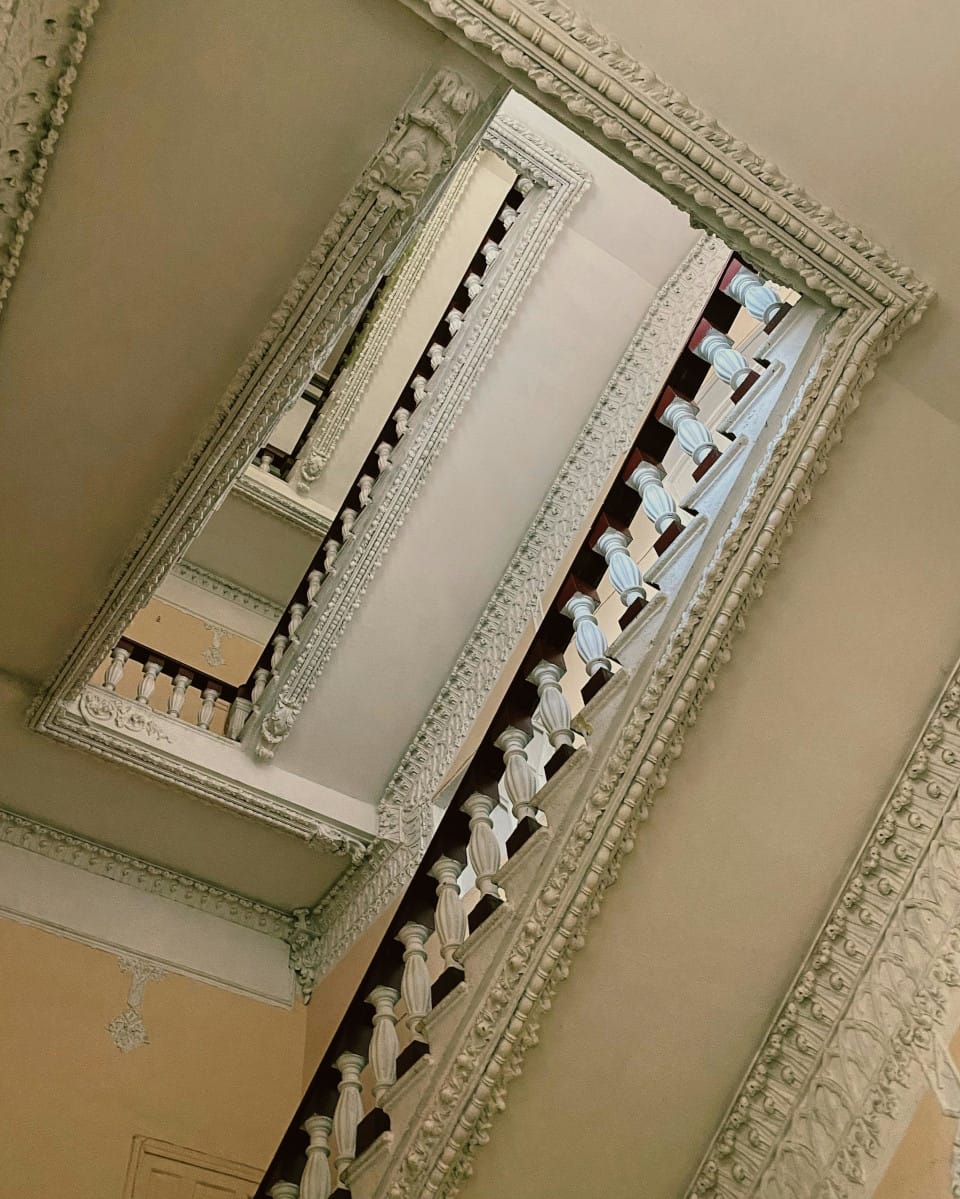
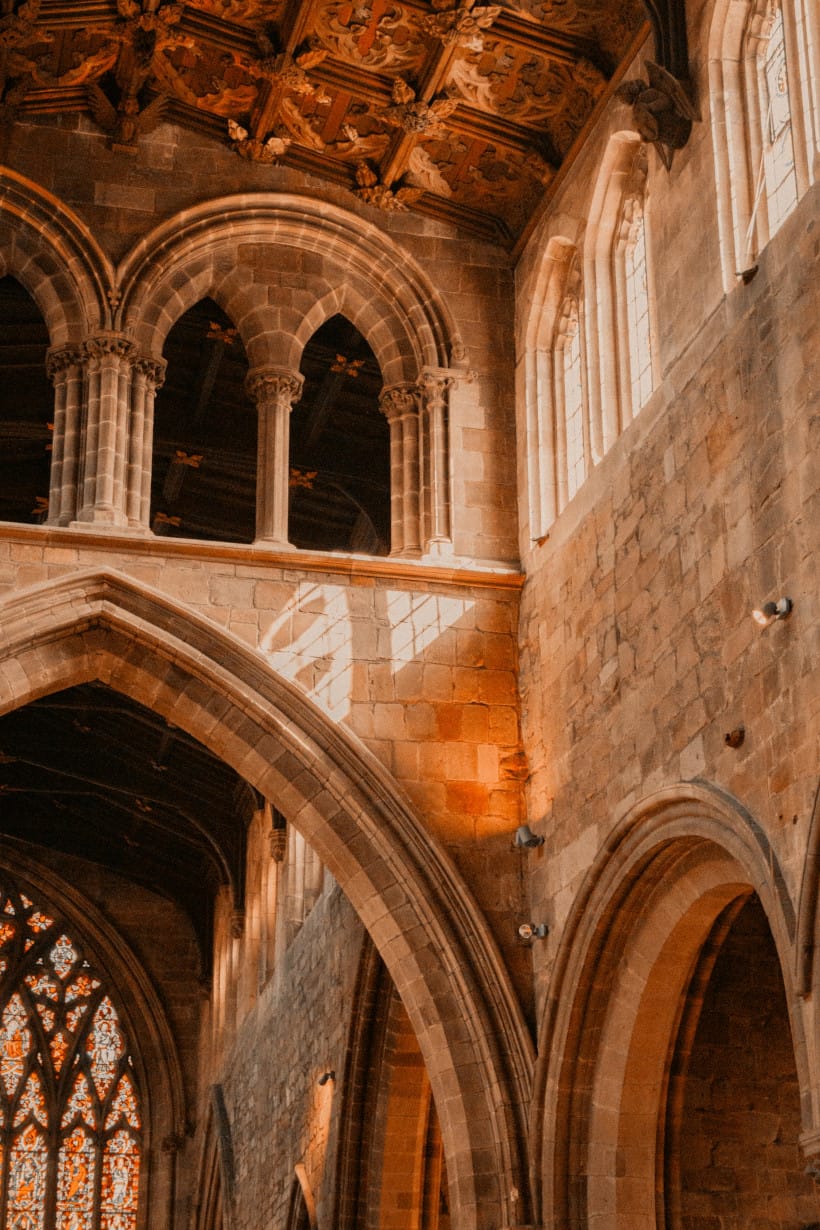
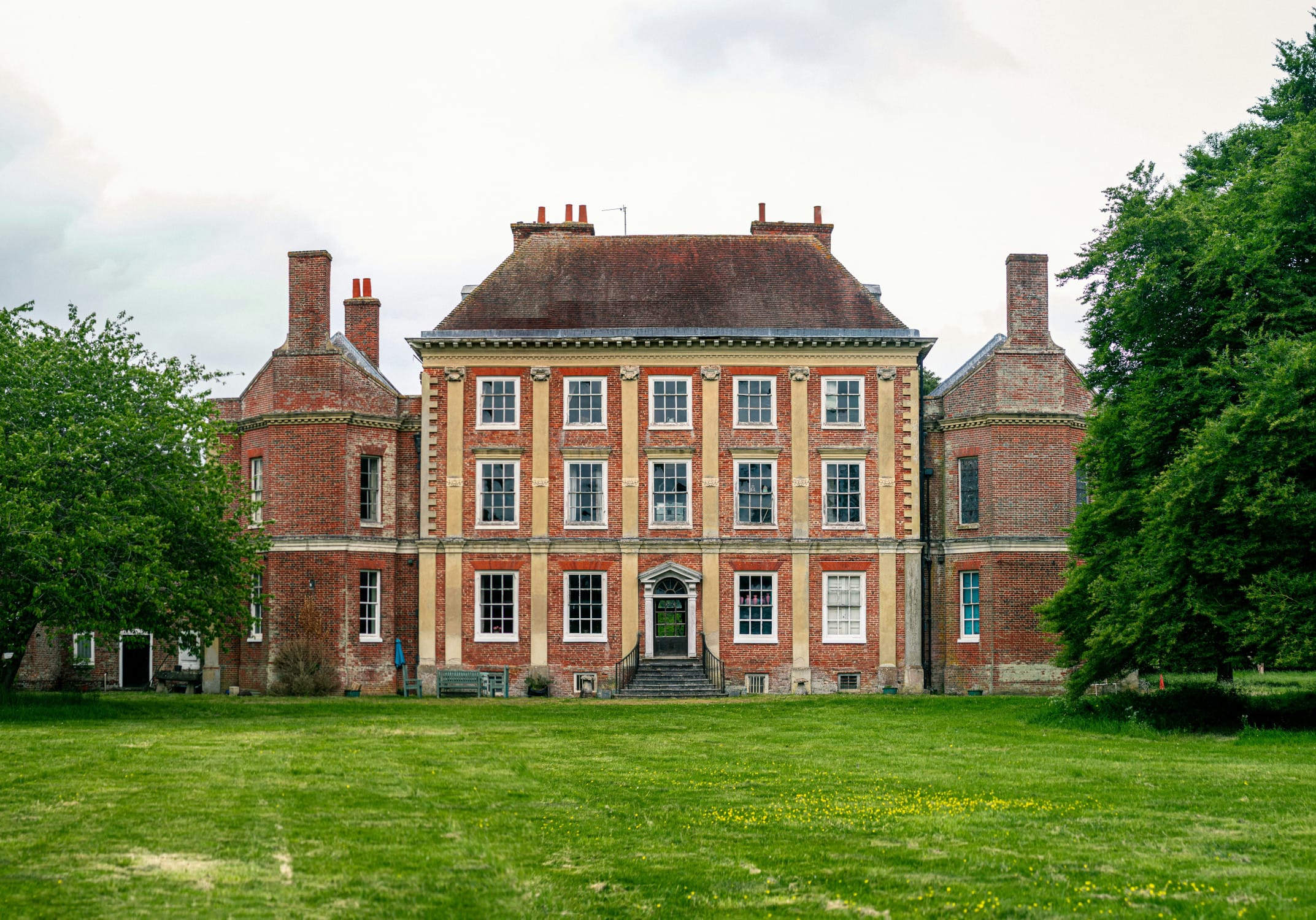
What Emergency Lighting Products Work Best in Historic Buildings?
When specifying for a heritage environment, look for:
- Self-test. With slim, understated profiles that can be painted or finished to match wall surfaces. Self testing fittings negate the need to have test switches, which is extra fixings and work.
- Recessed downlights with emergency packs for ceiling integration where the structure allows.
- Central battery systems, where a single battery unit in a plant room powers multiple fittings — reducing the visual impact of individual units throughout the building. It is a common query we get that the green LED charge indicator is making an area appear ghostly. While functionally required, this constant green light can be unexpectedly eerie in historic settings. In the dead of night, the light reflects, to cast a faint, spectral luminescence, often making features appear quite ghostly to anyone wandering the halls.
Our full range of emergency lighting is designed to meet the latest UK standards. Many of our products are suitable for sensitive environments. Browse our range here.
Summary: Key Steps for Emergency Lighting in a Historic Building
- Check whether the building is listed — search the National Heritage List for England at historicengland.org.uk
- Carry out a fire risk assessment to establish what coverage is needed.
- Consult your local authority conservation officer before any work begins (and Historic England for Grade I and Grade II* buildings).
- Choose sympathetic fittings — consider remote spotlights and building specific exit signage.
- Follow the principle of reversibility — no drilling into original fabric, no permanent scarring. PREFERED.
- Install to BS 5266-1 and arrange regular testing and maintenance.
Need Help Choosing the Right Products?
At Emergency Lighting, we supply a full range of BS 5266 compliant LED emergency lighting for all building types. Including products well suited to sensitive and heritage environments. With fast UK delivery, a 3 year warranty, and expert advice on hand, we’re here to help you meet your legal obligations without compromising the character of your building.
👉 Shop our emergency lighting range or call us on 01772 369505.